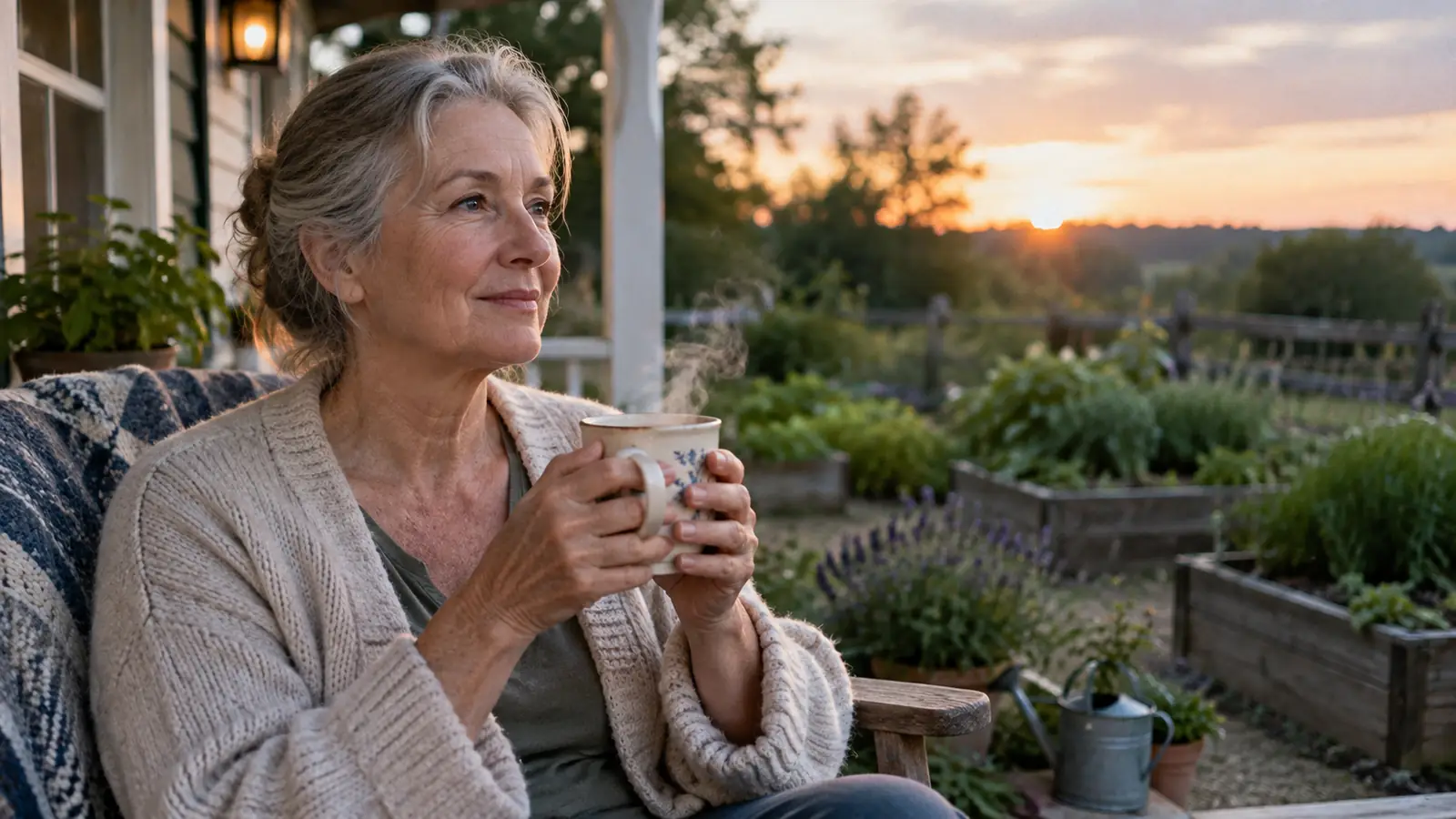
If you have ever stood in the tea aisle wondering whether you are wasting money on tea bags when you could just grow your own herbs, you are asking the right question. I asked it myself about ten years ago at the Kroger in Harrisonburg, and I have spent a decade answering it in my own kitchen. I am Marlene, I live in the Shenandoah Valley of Virginia, and beside my back porch I have four raised cedar beds of peppermint, lemon balm, chamomile, calendula, thyme, rosemary, and sage. I dry the herbs on the enclosed back porch, I blend them on a butcher-block table that came from my grandmother's farmhouse, and I still buy the Celestial Seasonings Herbal Tea Sampler, the caffeine free variety pack with 18 tea bags, on a regular basis. Last winter, between the first hard frost in November and the first daffodils in March, I went through three boxes, and I did not feel guilty about a single one. The box sits in the pantry next to the jars of dried garden herbs, and on any given evening I reach for one or the other depending on how much energy I have left. That is the honest truth of my kitchen, and it is the truth this whole comparison rests on.
The short answer is that you do not have to choose. The sampler and the garden solve different problems, and most evenings I use both. If the kettle is for a cup to sip while I read, I reach for the box. If I want to taste the garden, I reach for the jars. If you want the long answer, here it is, with the honest tradeoffs on both sides, including the parts where the tea bags win and the parts where only the garden will do.
| Celestial Seasonings Herbal Tea Sampler | Growing Your Own Tea Herbs | |
|---|---|---|
| Time to first cup | Boil water, steep a bag, about 5 minutes from pantry to mug | Months from seed to harvest, then drying time before you can brew |
| Variety in one sitting | 18 tea bags across several blends in one box, easy to taste different herbs | One or two herbs at a time unless you grow a large patch of each |
| Flavor control | Fixed blends, you take them as they come | You decide exactly which herbs go in the cup and how strong |
| Freshness | Shelf stable, consistent from box to box | Fresh picked herbs have a brightness no tea bag can match, but only in season |
| Cost over a season | Modest per box, easy to budget | Seeds are cheap, but you pay in time, water, and garden space |
| Best for | Busy evenings, travel, winter, and anyone new to herbal tea | Gardeners who enjoy the growing as much as the cup |
Let me start with the thing that surprised me most when I finally grew my own peppermint: the garden does not save you time. It gives you a better cup, but it takes more of your day. My peppermint comes on strong in June, and for about six weeks I have more fresh leaves than I know what to do with. On the morning of June 14 last year, I picked a full grocery bag of peppermint before the sun got high, because the oils are strongest in the cool of the morning. I spread the leaves on the drying racks on the back porch, a single layer so the air could move around them, and I waited. Drying took eight days that time, because the humidity was high and the leaves kept their moisture. The first year I tried to rush it and put a tray in the oven on the lowest setting. The leaves turned brown, tasted like hay, and I threw the whole tray into the compost. Now I let the weather set the pace. When the leaves crumble between my fingers instead of bending, I crush them into jars with my hands, label each jar with the date, and store them in the pantry away from the light. I got about two quarts of dried peppermint from that one harvest, which sounds like a lot until you remember that a single mug takes a rounded teaspoon. The chamomile bed, by contrast, gave me just enough for a small jar, because the flowers are tiny and the plants sulk in July heat. It is honest work, and I love it, but it is not a shortcut. From picking to jar, that June harvest took me the better part of two weeks, and the jars held maybe three months of tea.
Here is what a typical week looks like in my kitchen. On Monday through Friday, when the kettle goes on after supper, I reach for the sampler box nine times out of ten. I am tired, the day is done, and I want a predictable cup that takes five minutes. On Saturday morning, when the dew is still on the grass, I go out to the garden with a basket and pick what I need for the day. That Saturday cup is the one I remember all week. It is not that one is better than the other. It is that they answer different hungers, and a kitchen that keeps both is a kitchen that never has to settle.
Where Celestial Seasonings Wins
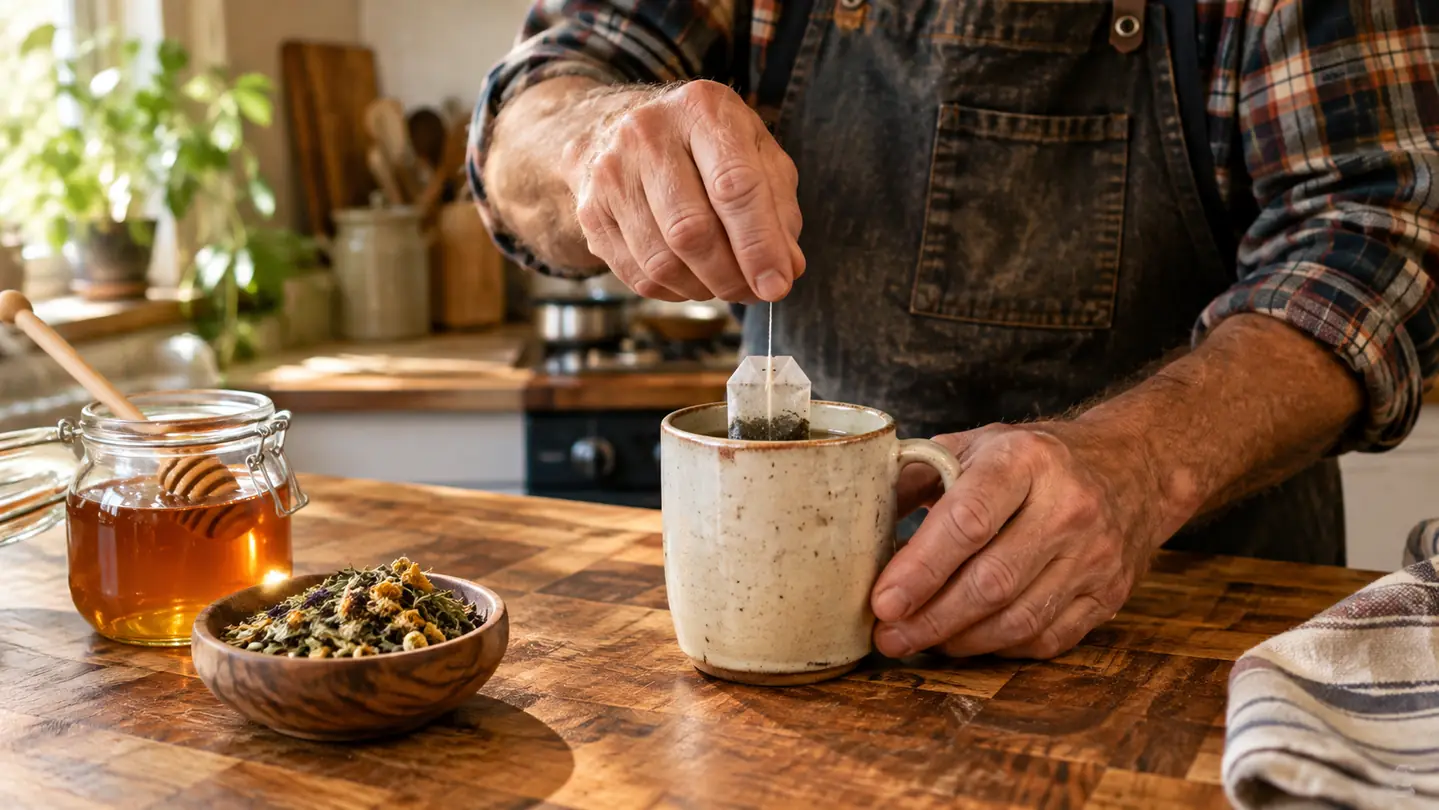
The sampler wins every time I am tired. On a cold January evening, or after a long day of bookkeeping work, I do not want to go out to the garden with a flashlight and a pair of scissors. I want to put the kettle on, pick a tea bag from the box, and sit down with my mug and a book. One night last January, after I had spent the whole day helping Ray sort through his mother's papers, I came into the kitchen at nine o'clock with a headache and no patience for measuring dried herbs into a strainer. I reached for the Celestial Seasonings box, chose a chamomile tea bag, and had a hot cup in my hands before the kettle had even finished clicking off. That is the whole argument for the sampler in one evening. Celestial Seasonings has been making herbal teas since 1969, and the brand knows how to blend herbs so that the cup tastes good, not just medicinal. The sampler gives you 18 tea bags in one box, which is the easiest way I know to figure out which herbs you actually like before you commit garden space to them. The box has a mix of single herbs and blends, and that mix is the real education. I learned that I like chamomile plain but I prefer it with a little lemon balm, that I do not care for the fruity blends no matter how many times I try them, and that the spiced blends are the ones I reach for on cold nights. You cannot learn that from a seed catalog. I have given the box to two friends who were curious about herbal tea but did not know chamomile from catnip, and both of them found a blend they loved within the first week. One of them now grows her own lemon balm, which is exactly how I think the two should work together.
That last point matters more than people expect. When I tell friends they can grow chamomile, they imagine a summer of homegrown tea. What I do not always say is that chamomile is a fussy little plant in my Virginia heat, and my first two attempts gave me about enough flowers for three cups. The first year I planted it in the bed with the tomatoes, where it got afternoon shade it did not want. The second year I gave it full sun, and the plants bolted to seed the first week of July. The sampler let me taste chamomile, and a dozen other herbs, without any of that work. It is also the honest answer for travel. When we drive up to Ray's sister's place in Pennsylvania for the weekend, I tuck four or five tea bags into my toiletry bag, because hotel coffee is not my idea of a good evening and I am not about to carry a jar of dried leaves in my suitcase. The tea bags take up no room, and they do not leak. They also do not need weighing, measuring, or a strainer that has to be washed afterward.
Where Growing Your Own Wins
The garden wins on flavor, and it is not close. Fresh lemon balm picked five minutes before the water boils has a bright, lemony scent that no tea bag can match. My peppermint is sharper and cleaner than anything I have bought in a box. I remember the first time I made a cup entirely from my own garden. It was a July afternoon in 2015, the year after I built the beds, and a sudden summer rain had driven me in off the porch. My grandmother used to make me a hot tea of lemon balm and thyme on rainy afternoons, so I went out to the garden, snipped a handful of lemon balm and a sprig of thyme, and put them straight into the pot with the water. The steam alone smelled wonderful. The cup tasted like the garden smelled after a summer rain, and I have been growing those two herbs every year since. If you have never tasted tea made from herbs you grew yourself, you are missing one of the great small pleasures of having a garden. There is also the matter of control. I can make a cup that is mostly chamomile with a few leaves of lemon balm, or mostly peppermint with a sprig of thyme, or a bedtime blend of chamomile and calendula petals that I dried in August. I can make it as strong or as gentle as I need it, and I can change it from one week to the next as the season changes. A tea bag is fixed. My garden is not. The difference is most obvious with chamomile. Fresh chamomile flowers taste like honey and apple, while dried flowers from a box taste gentler and a little flat. Both are good. They are not the same cup.
Growing your own also means you know exactly what is in the cup. I know that my calendula was grown without sprays, because I grew it. I know the rosemary came from the bed by the porch, not from a warehouse, and I know the chamomile was picked on a dry morning in early June before the petals started to drop. For someone who keeps a natural medicine cabinet, that knowledge is worth something. I keep a notebook on the butcher-block table, and every harvest gets a page: what I picked, what the weather was, how long it dried, and how the tea tasted in January. That notebook is my real recipe book. And there is the quiet pleasure of the work itself. I have been growing and using kitchen herbs for about twenty years, learning from my grandmother, and I still look forward to the first peppermint harvest of the year. The garden gives me more than tea. It gives me an afternoon with my hands in the soil, and a pantry full of jars that I filled myself. It also gives me something to share. When the neighbors stop by in July, I send them home with a bunch of lemon balm and a jar of dried chamomile, and more than one of them has started a small herb bed of their own because of it.
The garden wins on flavor, and it is not close. Fresh lemon balm picked five minutes before the water boils has a brightness no tea bag can match.
Want 18 herbs to taste before you plant a single seed?
The Celestial Seasonings Herbal Tea Sampler is the fastest way to find which herbs belong in your garden and which ones you will never brew again. Check today's price on Amazon and see the full variety pack.
Amazon Check Today's Price on Amazon →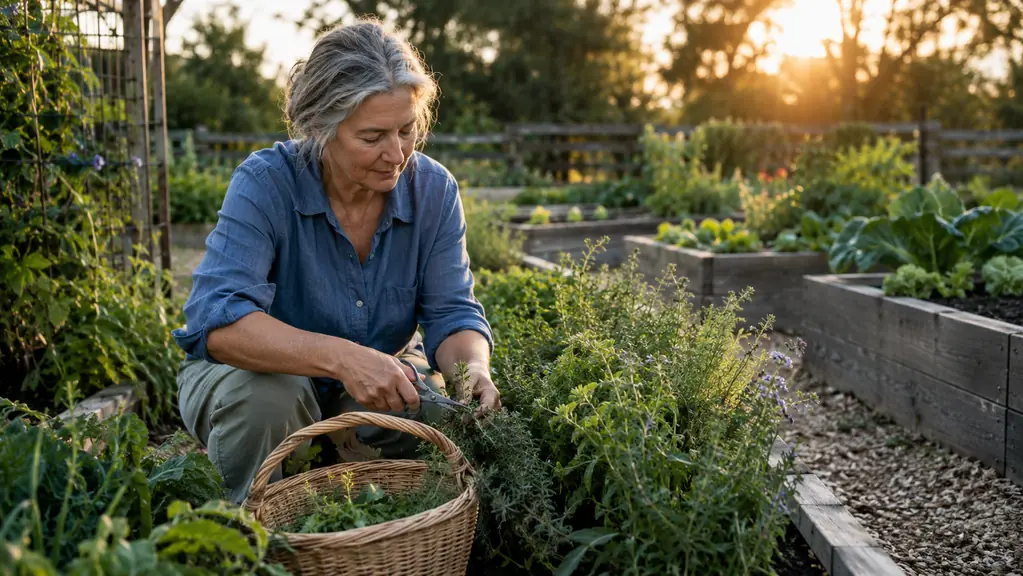
Who Should Buy Which
Buy the Celestial Seasonings sampler if you are new to herbal tea, if you travel, if you want a hot cup in five minutes, or if you live somewhere with a short growing season. It is also the right choice for winter, when my garden is sleeping under a layer of straw and the only fresh herbs in the house are the ones I dried in August. By February my jars are running low, and the dried garden herbs have lost some of their brightness, so the tea bags actually taste fresher than what I grew myself. The sampler is not a compromise. It is a different tool for a different job, and a kitchen that keeps both is a kitchen that always has a good cup within reach. If you are just starting out, the sampler is also the friendliest way to make mistakes. A box of tea bags takes up almost no room, and it cannot wilt in a dry July the way a young plant can.
Grow your own herbs if you have a sunny spot, a little patience, and a desire to know exactly what is in your cup. Start with peppermint or lemon balm, because both are forgiving and both make a good tea. Plant them in a pot if you are worried about them taking over, and you will still have plenty for a cup most evenings of the growing season. And if you are not sure which herbs you would actually drink, do what I did: buy the sampler first, drink your way through the box, and let your own taste buds decide what earns a place in the garden. The two go together better than you might think, and most evenings in my kitchen, both of them end up in the same mug. I steep the tea bag for the body of the cup, then add a fresh leaf of lemon balm from the garden when I want a little brightness on top. That is the best of both worlds, and it is the honest answer to the question I started with.
Start with the sampler, then plant what you love
The Celestial Seasonings Herbal Tea Sampler is the easiest way to taste 18 cups of herbal tea and find your favorites. Check today's price on Amazon and keep a box in the pantry for the nights the garden is sleeping.
Amazon Check Today's Price on Amazon →