
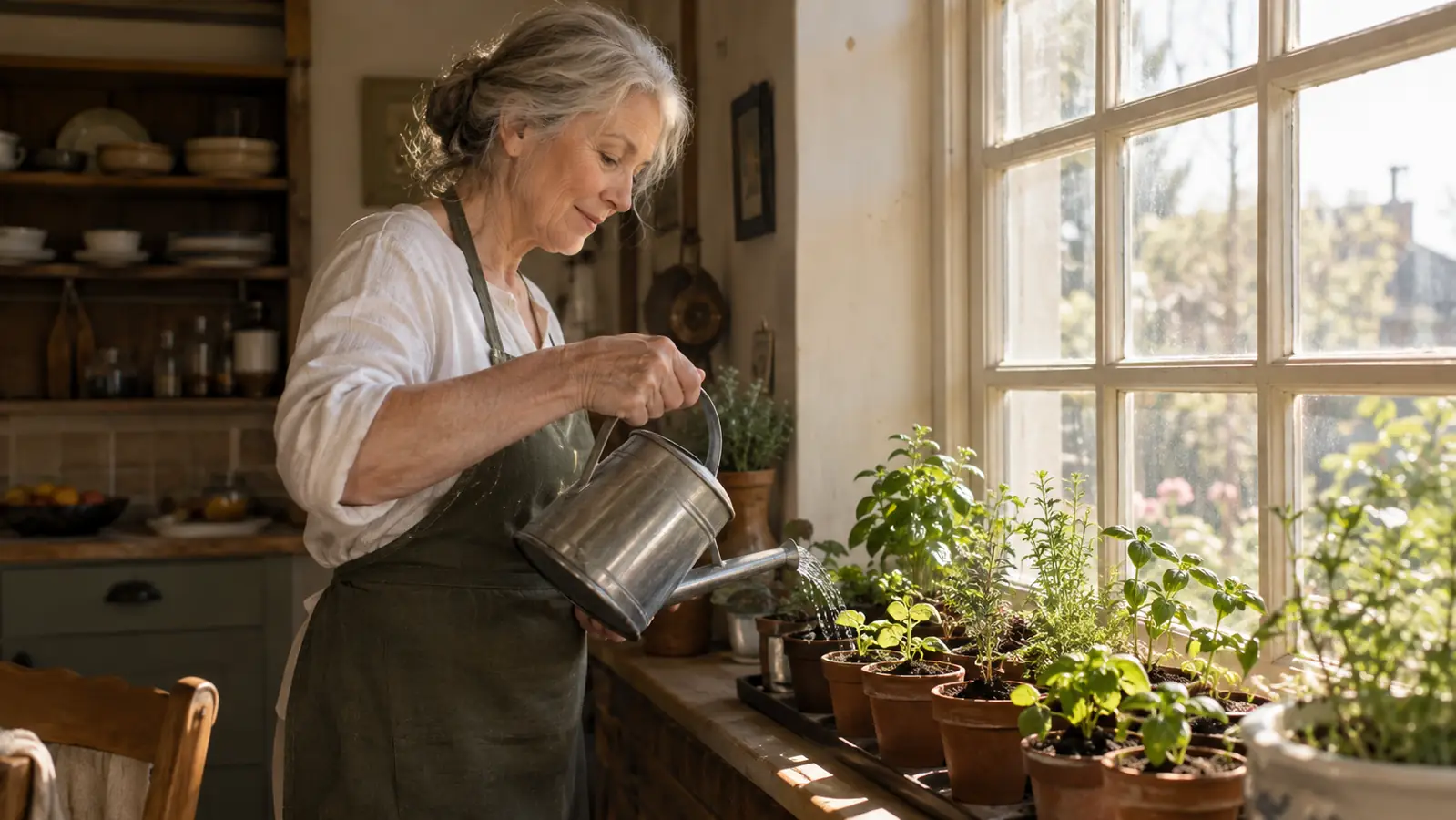
Every February, about the time the seed catalogs stack up on the butcher-block table, a friend asks me the same question: should I buy an indoor herb garden kit, or just start my own seeds the way you do? I have grown herbs in this farmhouse kitchen for about twenty years, and I have done both. My short answer is this: the Planters' Choice 9 Herb Indoor Window Garden Kit is the better pick for someone who wants a working windowsill garden this month, and starting seeds yourself is the better pick for someone who wants the lowest cost per plant and does not mind a little fuss. Neither choice is wrong. They just fit different winters.
To give you a fair answer instead of a guess, I ran both side by side last winter. In the first week of January I set up the Planters' Choice kit on the kitchen windowsill that gets the morning sun, and on the same afternoon I started the same kinds of herbs from my own seed stash in a tray on the enclosed back porch. Same water, same light, same house. Ray kept asking which one I thought would win, and I kept telling him the honest answer was more interesting than a winner and a loser.
How I Compared the Two
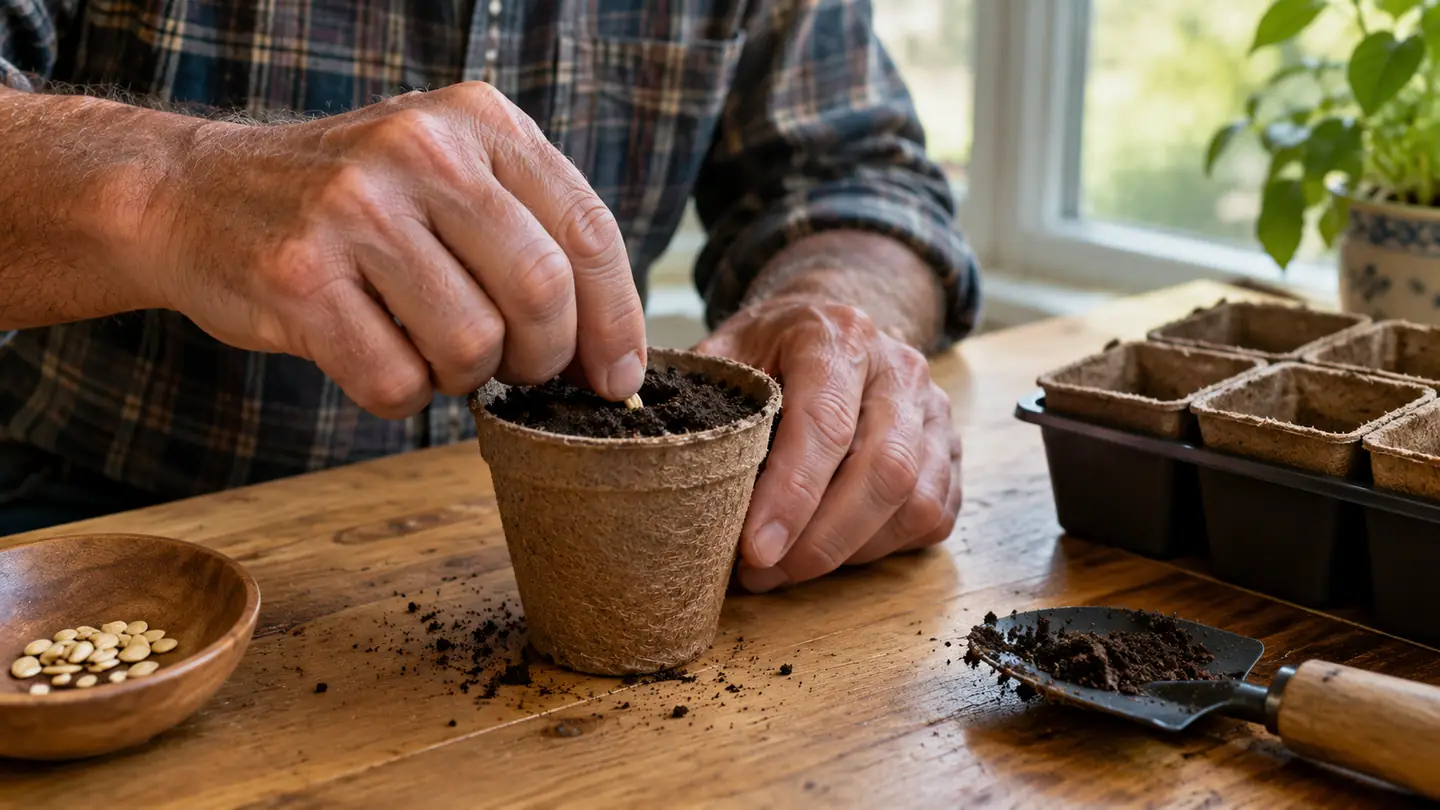
The kit side took about fifteen minutes to put together. The box holds the nine seed varieties, pots sized for a windowsill, a growing medium, plant markers, and a set of instructions that assumes you have never started a seed in your life. You moisten the medium, fill the pots, press in the seeds, label them, and set them somewhere with good light. That is the whole job, and it is a small job.
My own seed-starting setup was less tidy. I used a recycled nursery tray, a bag of seed-starting mix I had opened the year before, and seed packets saved from the previous summer: peppermint, lemon balm, chamomile, thyme, rosemary, and sage, the same herbs that fill the four raised cedar beds out back. I planted the kit on the morning of January 4th and the tray that same afternoon, so neither side got a head start. The mix had gone clumpy over the summer, and I had to sift it through a colander before it would hold water properly. It took longer to gather everything than it did to plant it, and that small point matters more than people expect.
I kept both batches on the same watering schedule and gave them the same light. I did not pamper either one. I wanted to know what a normal person would get on a normal kitchen windowsill in a Shenandoah Valley winter, not what a devoted gardener could coax out of a grow light setup in a spare room. Over the next six weeks I kept notes on germination, how fast the seedlings grew, how many survived, and how much fiddling each approach demanded. The first green in the kit pots showed on day nine, and the last, a rosemary that tested my patience, on day twenty-one. My tray's chamomile sprouted on day eleven, but the thyme never came up at all, which I put down to seed that had spent a year in the drawer.
Here is the table I wish someone had handed me before I started. Read it top to bottom and you will see why I ended up recommending both, depending on the person.
| Planters' Choice 9 Herb Kit | Starting Seeds Yourself | |
|---|---|---|
| Ease of getting started | Everything in one box, set up in about 15 minutes | Gather trays, mix, and seeds from separate places first |
| Time to first harvest | Seeds in soil on day one, first picking in 4 to 6 weeks | Same growth timeline, but setup days add on |
| Cost per plant | One purchase covers nine varieties; per-plant cost is higher | Seed packets cost less per plant, especially if you save seeds |
| Variety choice | Fixed nine herbs chosen for a kitchen windowsill | Any seed you can buy, from basil to rare tea herbs |
| Space needed | Compact pots fit one windowsill | Trays and bags of mix spread across a table or porch |
| Repeat value | Kit is a one-time buy; you will need more seeds later | Leftover seeds last for years and trays can be reused |
| Success rate for a beginner | Labeled pots and clear instructions remove guesswork | More variables, more ways to lose seedlings |
| Learning value | You learn the basics without the fuss | You learn the whole process, including the failures |
| Best for | A working windowsill garden this month | A gardener who enjoys the process and already has supplies |
Where the Planters' Choice Kit Wins
If you are new to growing herbs indoors, the kit wins on the only thing that matters in February: getting started. Everything is in one box, the pots are the right size for a windowsill, and the instructions tell you exactly what to do. In my test, every pot in the kit germinated, while my own tray lost a few seedlings to a cold snap on the back porch before I moved it inside. The cold snap came on the night of January 17th, when the thermometer on the porch read 39 degrees. I carried the tray into the kitchen the next morning, but two of the peppermint seedlings never recovered. The kit pots, sitting on the warmer windowsill, did not seem to notice. For a beginner, that difference is the difference between a hobby that takes hold and one that gets abandoned by March.
The kit also wins on tidiness and space. Nine small pots sit neatly on one windowsill, where my tray and bags of mix took over the end of the kitchen table and part of the back porch. Ray did not complain, but he did not have to. If your kitchen is small, or if you want a gift that looks like a gift, the kit is the easier path. I have seen kits like this change how a household uses its windowsill, and that is not a small thing in January and February.
Where Starting Seeds Yourself Wins
Starting seeds yourself wins on cost and variety, and I would not pretend otherwise. Seed packets cost less per plant, especially when you save seeds from your own garden the way I do. Last September I collected chamomile and calendula seed into paper envelopes, so this winter's tray cost me nothing but an afternoon of pinching dry flower heads. One packet of seed, bought once, can fill a whole raised bed, and the saved seed keeps coming back year after year. You can also grow exactly what you want. My raised beds are full of peppermint, lemon balm, chamomile, calendula, thyme, rosemary, and sage because I chose them myself. A kit gives you a sensible nine, but it does not give you the odd basil or the special chamomile that makes a garden feel like yours.
The DIY route also teaches you more. When I started seeds myself, I learned why some trays dry out faster, why leggy seedlings mean not enough light, and why a cold porch is a bad place for young plants. Those lessons carry over to the spring garden, where I start dozens of plants for the raised beds. The kit is a shortcut to herbs. Starting your own seeds is a shortcut to becoming a gardener, and that is a different purchase entirely.
If you want herbs on the windowsill by next month, the kit is the straightest path.
The Planters' Choice 9 Herb Indoor Window Garden Kit puts nine herbs within reach of a beginner, with everything in one box. Check today's price on Amazon and read what current owners say about germination before you decide.
Amazon Check Today's Price on Amazon →Who Should Buy Which
Buy the Planters' Choice kit if you want a working windowsill garden this month, if you have never started seeds before, or if you are buying a gift for someone who talks about growing herbs but has not done it yet. It is also the better choice when your kitchen is small and you do not want seed trays and bags of mix taking over the table. The kit is a complete answer to a simple question: how do I get fresh herbs growing in my kitchen this winter?
Start your own seeds if you already own trays and mix, if you want specific varieties, or if you are growing more than a windowsill can hold. If you plan to fill a spring garden with dozens of plants, the DIY route is the only one that makes sense. And if you simply enjoy the process, the digging, the waiting, the first true leaves, then starting your own seeds is its own reward. The kit cannot give you that, and it should not try.
In my test, every pot in the kit germinated, while my own tray lost seedlings to a cold snap on the back porch.
My Final Take
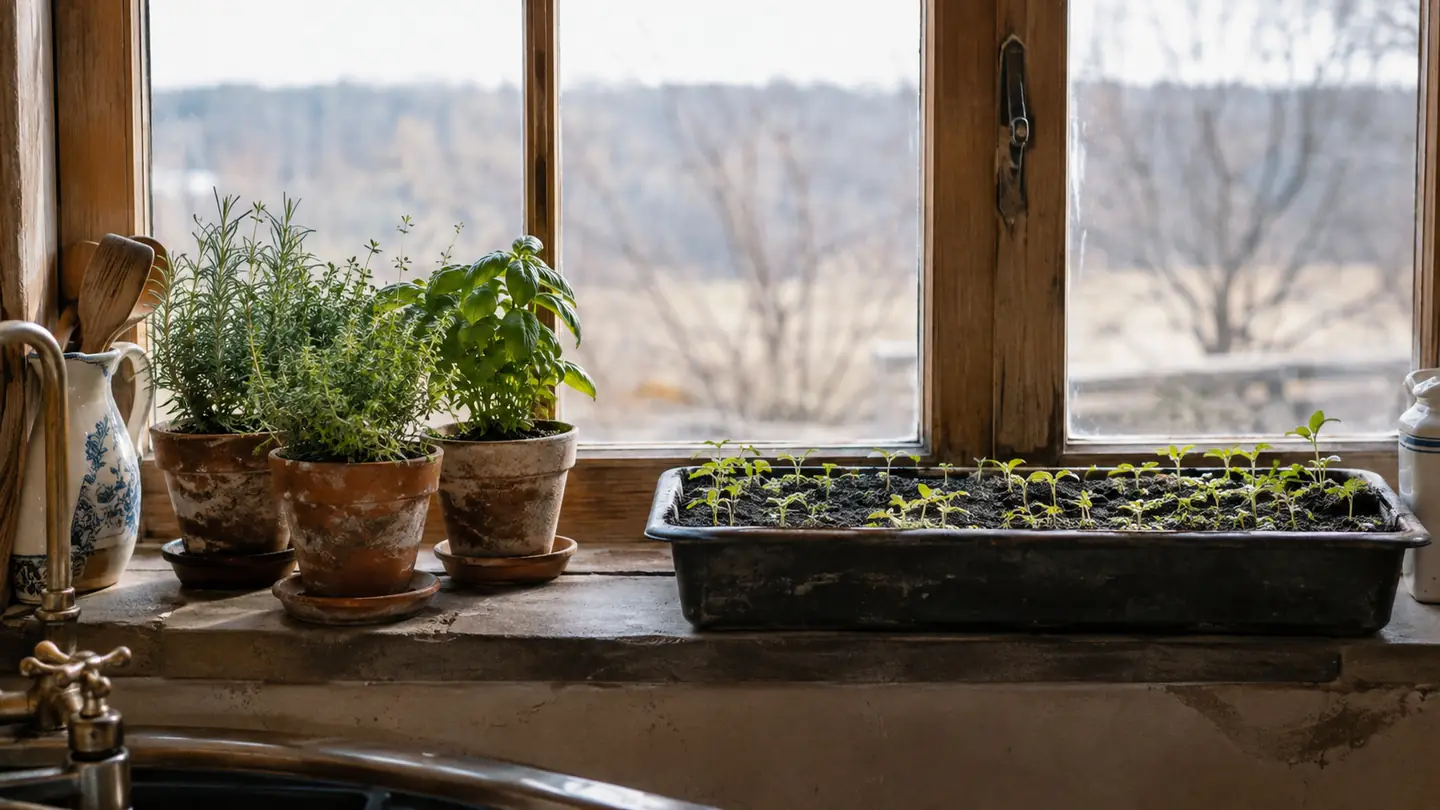
After six weeks of running both side by side, here is where I landed. If I were setting up a kitchen windowsill for the first time, I would buy the Planters' Choice kit and not look back. It removes the guesswork, it fits one windowsill, and it gets you to your first cup of fresh peppermint tea while the snow is still on the ground. If I were filling the spring garden, I would keep starting my own seeds, because no kit can match the variety and the cost of doing it yourself.
The two approaches are not really competitors. They are two different seasons of the same hobby. The kit is how you begin, and starting your own seeds is how you grow. I still recommend the kit to friends who ask, and I still start my own seeds every February, the way my grandmother taught me, because both of those things are true at the same time. That is the honest answer, and it is the one I wish someone had given me twenty years ago. And if you are growing herbs for teas and home remedies, keep at it, and talk to your doctor before you use any herb as a medicine, especially if you take daily medications.
Practical Notes for Either Path
A few things I learned apply no matter which way you go. First, light matters more than anything else. The kitchen windowsill that gets the morning sun worked for me, but if your kitchen faces north you will want a brighter spot or a simple grow light. Second, do not overwater. Seedlings in small pots are easier to kill with kindness than with neglect. I let the top of the soil dry before I water again, and I water from the bottom when I can.
Third, start with herbs you will actually use. The kit's nine are chosen for a kitchen, which is sensible, but if you never cook with dill, the dill will sit there looking at you. Fourth, thin the seedlings when they get their second set of leaves. It feels wasteful to pull up healthy little plants, but crowded seedlings grow weak and leggy. I thinned mine, and the ones that stayed grew twice as fast.
Fifth, be patient with germination. Some herbs are quick, and some, especially rosemary, can take a few weeks to show anything at all. I have had rosemary seeds sit for three weeks and then surprise me. The kit's rosemary did exactly that, showing green on the morning of day twenty-one, the same day I had decided it was a lost cause. If a pot looks empty, give it another week before you give up on it. And keep a scrap of paper on the windowsill. Write down when you planted and when things sprout. You will thank yourself next year.
What About the Winter Light?
The question I hear most is whether a windowsill is enough in winter. The honest answer is that it depends on your windows. The east-facing kitchen window gives my seedlings a few hours of direct morning sun and bright indirect light for the rest of the day, and that was enough. If your only window faces north, or if your winters are as gray as ours can be, plan on a small grow light. You do not need a fancy setup. A simple light a few inches above the pots makes a bigger difference than people expect.
I also rotated the pots every few days so the seedlings did not lean toward the glass. That is the kind of small chore that sounds fussy and takes about thirty seconds. Do it while the kettle is on. And keep the pots away from cold drafts. My back porch is enclosed, but it still got cold enough to stunt a few seedlings in my own tray, which is why the kit pots, sitting on the warmer kitchen windowsill, pulled ahead that first month.
The short version: buy the kit for the windowsill, start your own seeds for the garden.
If you are new to growing herbs indoors, the Planters' Choice kit takes the guesswork out of the first season. Check today's price on Amazon and see whether it fits your kitchen.
Amazon Check Today's Price on Amazon →