
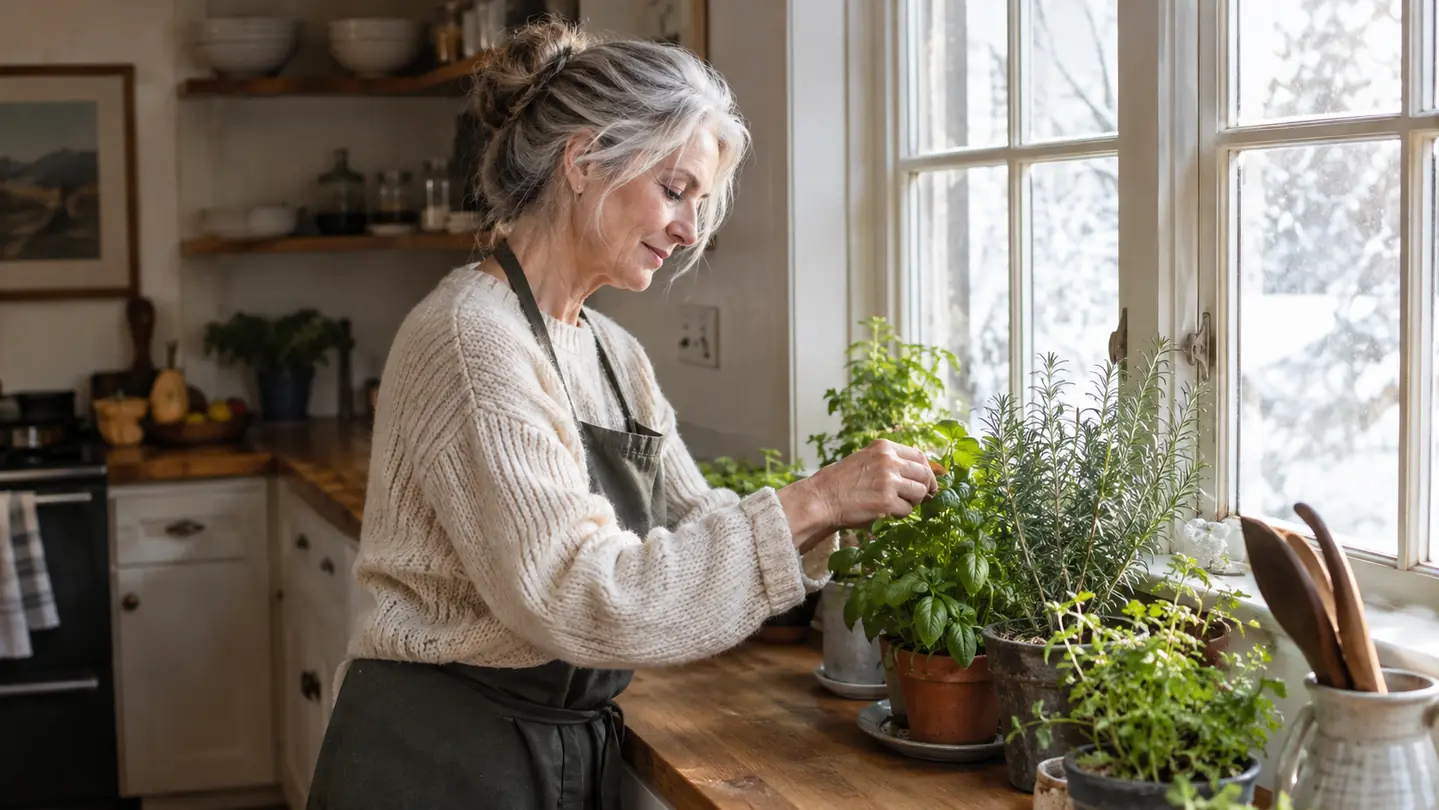
By the middle of January, the garden outside my kitchen window in the Shenandoah Valley is good for exactly one thing: looking at. The beds are asleep under a foot of snow, the thyme and sage are hunkered down, and the peppermint has given up pretending it's an annual. Every year I tell myself I'll buy fresh herbs at the store, and every year I come home with a plastic clamshell of basil that wilts before I use half of it. So this past November, I finally did what I should have done years ago. I cleared a spot on the kitchen windowsill, ordered the Planters' Choice 9 Herb Indoor Window Garden Kit, and decided to grow my own through the winter.
I want to be plain about something before I go any further. I'm Marlene Hutchins, I'm 63, and I've been growing and drying kitchen herbs for about twenty years, most of what I know passed down from my grandmother. I'm not a horticulturist and I'm not here to tell you this kit will change your life. I'm here to tell you what it was actually like to use it, what sprouted, what flopped, and what I'd do differently next year.
The Quick Verdict
A solid, forgiving starter kit that got me nine herbs through a Virginia winter. Not everything sprouted on schedule, but enough did that my kitchen smelled like a garden by February.
Amazon Check Today's Price →Want fresh herbs on your windowsill by next week?
The Planters' Choice 9 Herb Indoor Window Garden Kit has everything you need to start: pots, soil, seeds, and labels. I've used it all winter and I'd buy it again.
Amazon Check Today's Price on Amazon →How I've Used It
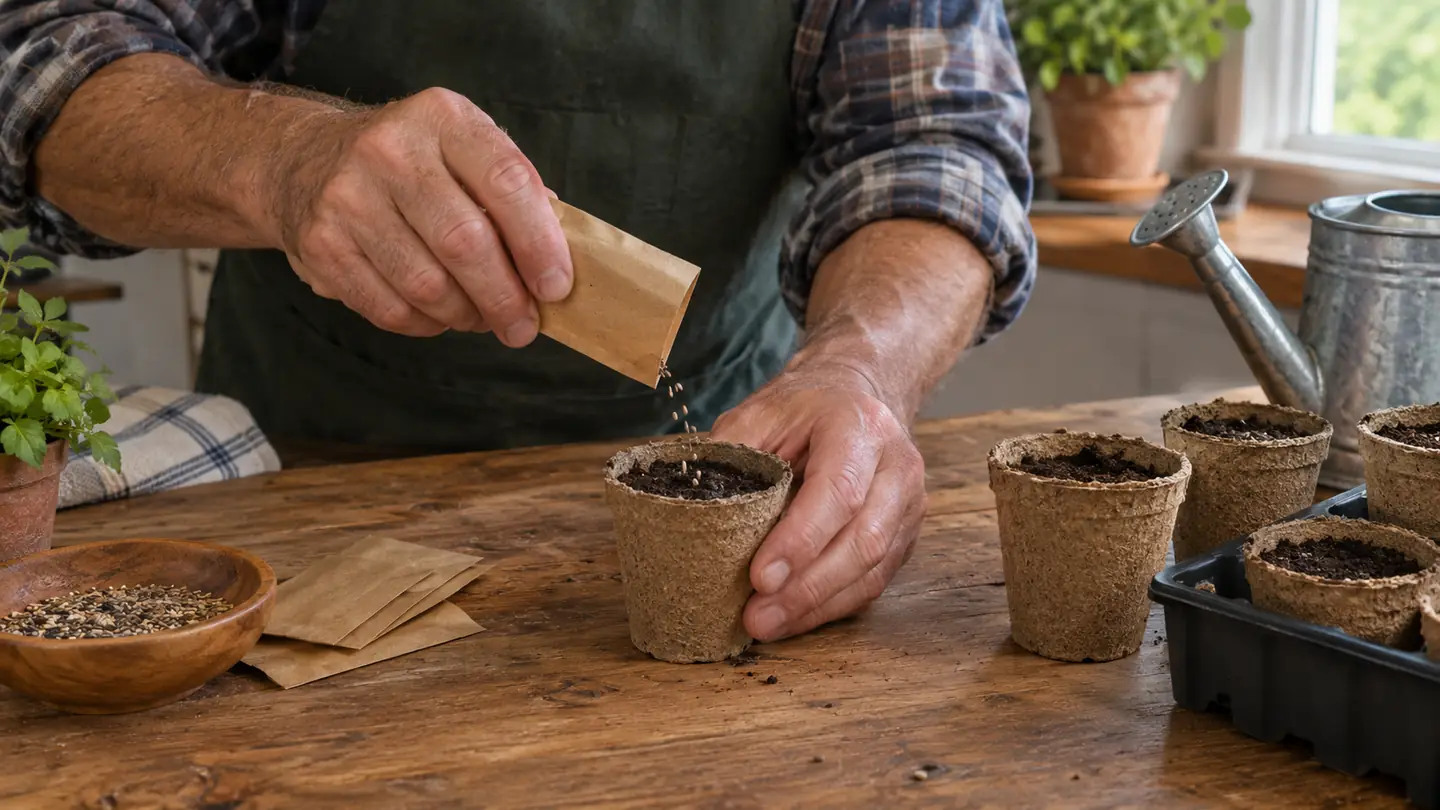
The kit arrived in a neat box with nine peat pots, nine compressed soil discs, nine seed packets, and a set of little wooden labels. The herbs included are basil, chives, cilantro, dill, oregano, parsley, sage, thyme, and mint. I set it up on a Saturday morning in mid-November, following the instructions that came with it. You soak the soil discs in warm water, fluff them into the pots, sprinkle the seeds on top, and press them in gently. The whole setup took me maybe twenty minutes, and I had my husband Ray hand me the pots one at a time so I didn't drip water all over the butcher-block table. The discs swelled from flat pucks to about two inches of dark, crumbly soil within a few minutes of hitting the water, which surprised me. I wrote the herb names on the wooden labels with a ballpoint pen and stuck one in each pot before I sowed anything, because I knew from experience that once everything sprouts, they all look alike for the first week.
I put the tray on the sill above the kitchen sink, which faces southeast and gets good morning light. The instructions said to keep the soil moist but not soggy, so I checked it every morning with my finger and gave each pot a little drink from a spray bottle. I did not use a grow light, and I did not move the pots around. I treated it the way I treat most things in my kitchen: I set it up, I paid attention, and I let it do its work. There was one rough patch in early December when the radiator under the window kicked on during a cold snap and dried the pots out faster than I expected. I came in from feeding the wood stove one morning and found the basil looking droopy, so I moved the tray to the corner of the sill that sits farther from the heat and started checking twice a day. That was the only real scare all winter.
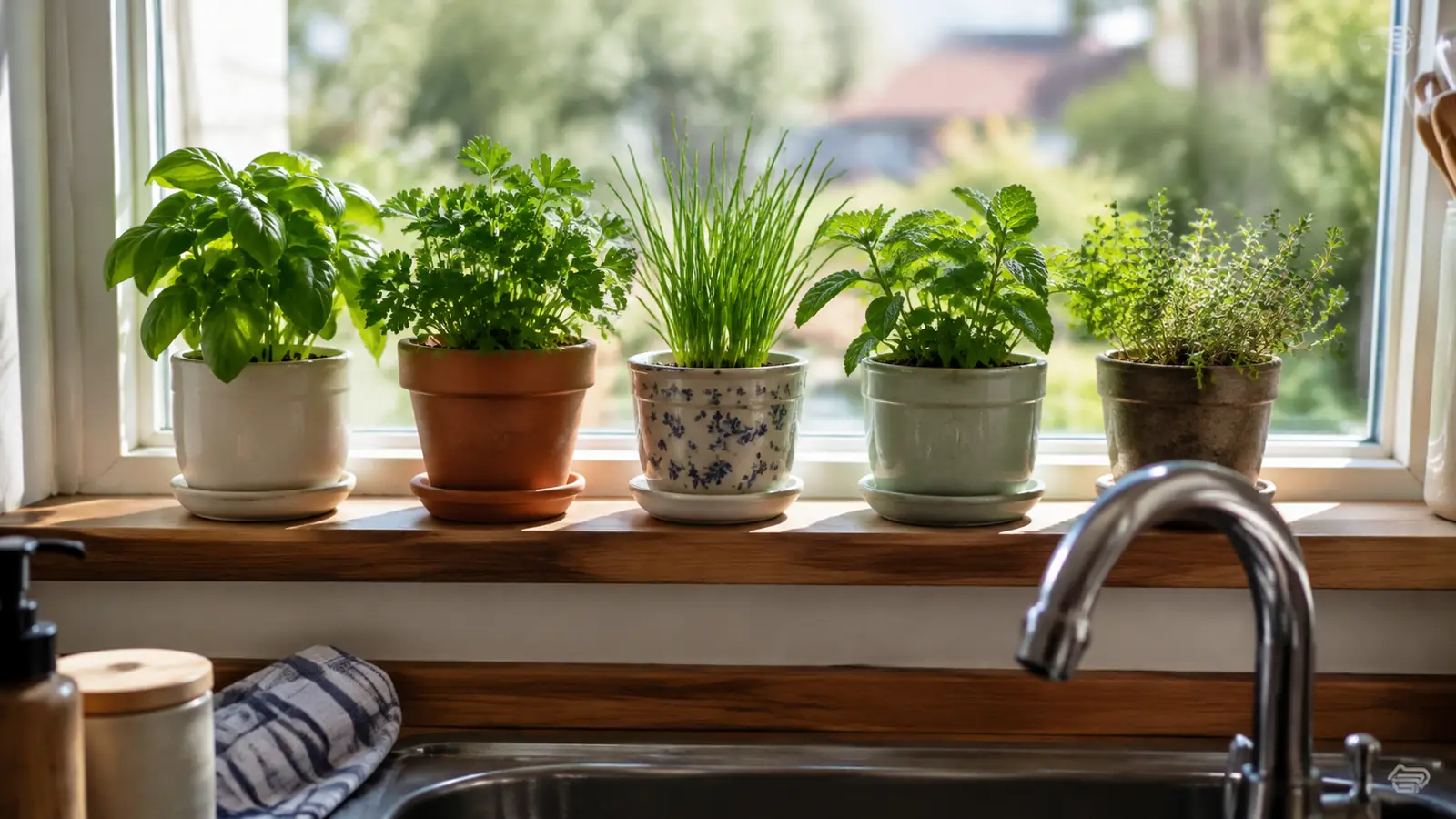
By the end of the first week, the basil and the mint had tiny green specks. The chives took closer to ten days. The dill and the cilantro were the slowest, and I honestly thought I'd done something wrong until I looked at the seed packets and saw that some herbs just take longer. By the middle of December, I had something that looked like a real windowsill garden. By the end of January, I was snipping basil into soup and chives onto baked potatoes, and the kitchen smelled like a greenhouse every time the sun hit the sill. I thinned the basil twice, once when the first true leaves appeared and again about ten days later, pulling out the weakest seedlings so the strongest ones had room to grow. I kept a pair of kitchen scissors on the windowsill and made a habit of snipping what I needed right before dinner, which is the whole point of growing herbs indoors in the first place.
What's in the Box and How It Works
The Planters' Choice kit is about as simple as a seed-starting setup gets. You get nine peat pots, nine compressed soil discs, nine seed packets, and wooden labels. There's no tray included, so I set the pots on an old ceramic dish I had in the cupboard. You'll want something underneath them, because the pots do leak a little water after you water them. That's not a flaw, it's just how peat pots work. The dish I used is a wide, shallow thing that came from my grandmother's kitchen, and the nine pots fit on it with about an inch to spare. If you don't have something similar, a baking sheet lined with a towel would do the same job. The pots themselves are about three inches across, which is plenty for the first month or two but not much longer, and I'll come back to that.
The seeds themselves are the heart of the kit. The Planters' Choice packets are labeled clearly, and each one has enough seed to start the pot and then some. I had plenty left over for a second round in the spring, which I appreciated. The soil discs expand nicely when you soak them, and they hold moisture well, which matters when you're growing herbs on a windowsill that gets dry heat from the radiator in the winter. I counted the seeds in the basil packet out of curiosity one evening, and there were well over a hundred, so the leftover seed is real and not just a token pinch. When I started a second pot of basil in February, the seed germinated just as fast as the first batch. That tells me the seed is fresh, which is the one thing a kit like this absolutely has to get right.
One thing I want to flag for anyone who's never started seeds indoors: the kit assumes you know a few basics. It doesn't tell you that some seeds need light to germinate and some don't, or that you should thin the seedlings once they get their first true leaves. I knew to do that because I've been doing this for years. If you're brand new to growing anything, you'll want to watch a video or two before you start, or you'll end up with a pot of tangled basil seedlings all fighting for the same light. The instructions that come with the kit are short and friendly, but they read more like a checklist than a lesson. For a first-time gardener, I'd add three things: thin the seedlings, turn the tray a quarter turn every few days so the plants don't all lean toward the window, and don't let the soil dry out completely even once, because young seedlings don't bounce back the way established plants do.
How the Herbs Performed Over the Winter
Here's the honest breakdown, herb by herb, after a full winter on my windowsill. Basil was the star. It germinated fast, grew quickly, and I was snipping leaves by the end of December. Mint was right behind it, almost too vigorous, which is exactly what mint does. Chives came up reliably and made a nice clump that I cut with scissors whenever I wanted a baked potato. Parsley was steady and unremarkable, which is about the nicest thing anyone can say about parsley. The basil got to about eight inches tall by February, and I pinched the tops regularly to keep it bushy instead of letting it get tall and leggy. The chives were the most useful plant in the whole kit, honestly. A pair of scissors and a baked potato with butter and chives became a weekly winter ritual in our house. The mint I kept pinching back and using in tea, and it never once complained.
Oregano and thyme were slower but they did come up, and by March they looked like proper little plants. Sage was the surprise. I expected it to be slow, and it was, but it eventually made a sturdy little rosette of leaves that I used in a chicken dish in early spring. Dill and cilantro were the disappointments. The dill germinated and then flopped over, and the cilantro went straight to seed, which is what cilantro does when it gets too warm or too dry. I've grown both of them outdoors for years, and I'll be honest, they're just harder to please on a windowsill. The dill came up about two weeks after sowing, which made me hopeful, but the seedlings stretched toward the window and fell over by the time they were an inch tall. I tried propping them up with a toothpick, which worked for about a week, and then they gave up anyway. The cilantro bolted in February, sending up a flower stalk almost overnight. I let it go to seed just to see what would happen, and I got a handful of coriander for my trouble, which is not nothing.
The kit's rating of 4.1 stars out of 5 across more than three thousand reviews matches my experience. Most people are going to get a good result with the easy herbs, and some people are going to be frustrated by the ones that need more fussing. That's not a defect in the kit, it's just the nature of growing plants indoors in the middle of winter. If I had to guess, the people who leave one-star reviews are the ones who started the kit in a north-facing window or expected cilantro and dill to behave the way basil does. The people who leave five stars are the ones who stuck to the easy herbs and gave the rest a little grace. I landed somewhere in between, which is exactly where a 4.1 rating belongs.
The Tradeoffs Nobody Mentions
There are a few things I wish someone had told me before I started. First, the pots are small. Nine herbs in nine little peat pots is a lot of plants in a small space, and by February some of the roots were clearly crowded. I ended up transplanting the basil and the mint into bigger pots I had in the shed, and they were much happier for it. If you don't have extra pots, you'll want to plan for that. I did the transplant on a Sunday afternoon in early February, using two plastic pots that had held nursery perennials the year before. I washed them out, added a little compost from the bin on the back porch mixed with the leftover potting soil from the kit, and settled each plant in. The basil took off within a week.
Second, the light matters more than anything else. My southeast window was enough for most of the herbs, but the ones at the ends of the tray got noticeably less light and grew slower. If your windowsill doesn't get at least four or five hours of direct sun in the winter, you're going to want a grow light. The kit doesn't include one, and it doesn't tell you that you might need one. I could see the difference clearly by February. The basil and mint in the middle of the tray were thick and dark green, while the oregano and thyme at the ends were paler and more stretched out. I started rotating the tray a quarter turn every morning, and within two weeks the end plants had perked up noticeably. It's a small thing, but it's the difference between a garden that limps along and one that thrives.
Third, the kit is a starting point, not a finished garden. The herbs will get you through the first couple of months, but you'll need to transplant, thin, and fertilize if you want to keep them going all winter. That's not a complaint, it's just the truth about growing anything. If you want something that's truly set-and-forget, this isn't it. I gave the pots a weak dose of compost tea once in January and once in March, and I think it helped carry the basil and parsley through the lean weeks. You don't need anything fancy, a little diluted liquid fertilizer from the garden center would do the same job, but the kit doesn't mention feeding at all. The herbs will grow without it for a while, and then they'll slow down and tell you they're hungry.
What I Liked
- Everything you need to start is in the box, including seeds, pots, soil, and labels
- Nine different herbs means you can figure out which ones thrive on your windowsill
- Seeds germinated reliably for me, especially basil, mint, and chives
- Simple enough for a beginner, with enough room to grow for someone experienced
- Good value compared to buying nine pots, nine packets of seed, and soil separately
Where It Falls Short
- No tray included, so you'll need a dish or saucer underneath the pots
- Small pots get crowded by late winter, and you'll want to transplant the vigorous herbs
- Dill and cilantro are finicky indoors and may not perform well
- No grow light included, and some windowsills won't provide enough winter light
By the end of January I was snipping basil into soup and chives onto baked potatoes, and the kitchen smelled like a greenhouse every time the sun hit the sill.
Who This Is For
This kit is for anyone who cooks with fresh herbs and is tired of watching store-bought basil rot in the fridge. It's for people like me, who miss the garden in January and want something green to tend on the windowsill. It's for beginners who want to learn which herbs are easy and which ones are fussy without spending a lot of money on individual pots and seeds. If you have a sunny window and a little patience, the Planters' Choice kit will almost certainly get you fresh basil, mint, and chives through the winter.
Who Should Skip It
Skip it if you don't have a window that gets several hours of direct sun, because without light, the herbs will get leggy and weak. Skip it if you want a self-watering, set-and-forget system, because this kit asks you to check the soil every day and do a little thinning and transplanting along the way. And skip it if you specifically want dill and cilantro all winter, because those two are the least reliable herbs in the kit. If you're in any of those situations, you'd be better served by a grow light setup or by buying fresh herbs at the store.
Give your winter kitchen something green to do
The Planters' Choice 9 Herb Indoor Window Garden Kit is the same kit I used all winter. If you've got a sunny windowsill, it's a good place to start.
Amazon Check Today's Price on Amazon →